
Reviewed · BRISBANE CITY WALKING TOURS
Brisbane City Art and Design Walking Tour
Street art and architecture can feel random until someone gives you the map.
This 3-hour Brisbane City Art and Design walking tour turns the CBD into a living gallery, with bridges, buildings, and public art all explained as you walk. I like that you’re not stuck in one museum room, and you actually end with time at GOMA to keep exploring. One drawback to consider: it’s a walk (about 2.5 km), so you’ll want solid shoes and a little patience for city strolling in the sun.
You meet your guide at the Brisbane Visitor Information and Booking Centre in Queen Street Mall, then head into streets and laneways where you’ll look up, look down, and spot art you’d normally miss. I especially like the way the tour connects design to place—right down to the story behind a carved work that took three years to create on a well-known building. The main consideration is that the tour itself is short, so if you want a deep museum day, you’ll need to use your free time at GOMA and the nearby Queensland Art Gallery afterward.
In This Review
- Key takeaways
- Queen Street Mall Meet-Up: Starting With Art on the Street (Not a Museum Map)
- From Queen Street to Kurilpa Bridge: Reading Brisbane’s Building Style as Story
- Wintergarden and the CBD Facades: Where Design Gets Personal
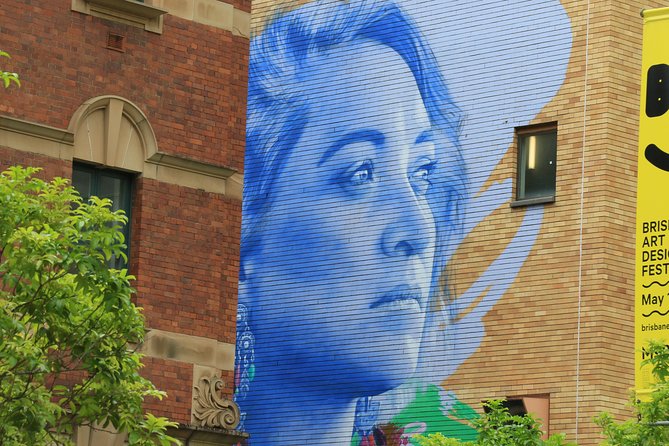
- Hidden Street Art and Public Sculptures: How the Guide Teaches You to Look Up and Down
- The Queensland Art Gallery/GOMA Connection: Using the Afternoon Without Wasting Time
- Walking Time, Shoes, and Water: What to Plan So the Tour Feels Easy
- Price and Value: Is $200.83 Worth It for a Private 3-Hour Art Walk?
- Who This Tour Fits Best (and Who Might Want Something Different)
- Should You Book This Brisbane Art and Design Walking Tour?
Key takeaways
- Queen Street Mall meetup sets you up with quick orientation before you start scanning bridges, facades, and public commissions
- Kurilpa Bridge and Wintergarden put Brisbane’s architecture in your walking path, not just on a postcard
- Laneway street art teaches you how to read public art at street level and why it matters
- A story behind a three-year carved artwork adds meaning to what you’re seeing
- GOMA finale gives you a clean handoff to explore exhibitions on your own in the afternoon
- Moderate walking, flat streets makes it doable for most people who can handle an easy city pace
Brisbane at footpath pace, more guided wanders
Queen Street Mall Meet-Up: Starting With Art on the Street (Not a Museum Map)
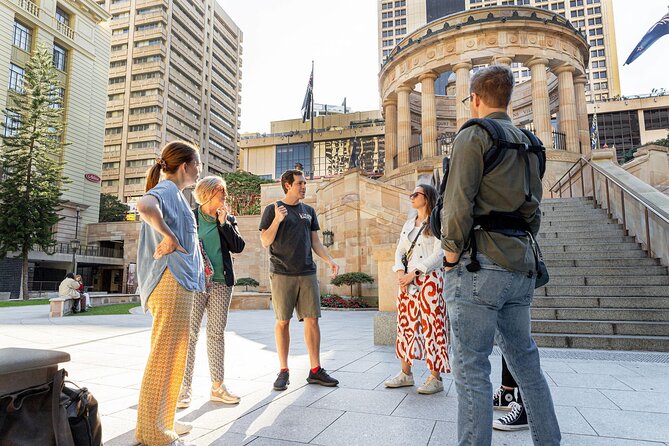
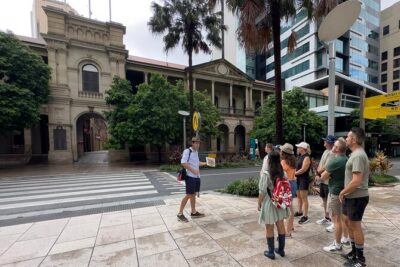
The tour begins at the Brisbane Visitor Information and Booking Centre, 167 Queen St, right in the heart of Queen Street Mall. You’ll meet your guide and your small group, then get a quick overview so the city doesn’t feel like a random set of stops.
What makes this start work is the mindset shift. Instead of treating art as something you enter, you learn how Brisbane puts artwork into everyday sightlines—on building edges, bridge approaches, and street corners. Even before you move far, the guide sets expectations: you’ll be learning how public art and design relate to the city’s identity, not just admiring objects one-by-one.
If you’re the kind of person who likes asking questions, this tour is a good fit. In past departures, the guide Lee-Anne has been praised for taking time to answer curiosities and turning the walkthrough into a conversation rather than a lecture. (If she’s your guide, you’ll probably find it easier to relax and ask away.)
From Queen Street to Kurilpa Bridge: Reading Brisbane’s Building Style as Story
Once you’re moving, the route weaves through Brisbane’s streets and laneways for about three hours. The focus stays consistent: you’re seeing architecture and design through the lens of public art—what it’s for, what it signals, and how it changes the way you experience a place.
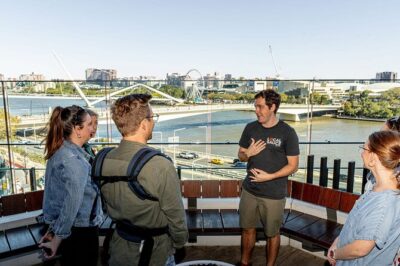
A key highlight is the route toward Kurilpa Bridge, which is especially useful because bridges force you to notice both structure and context. You’re not just looking at a landmark; you’re walking through an urban “frame” that shapes views, movement, and how the skyline lands in your eye.
Brisbane is a city where the built environment can look different depending on where you stand. That’s why this walking approach matters. Up close, details in materials, edges, and design choices start to make sense. You’ll get a better feel for how newer and older Brisbane coexist—without needing to memorize dates.
Practical note: the walking is about 2.5 km on flat, even city streets. That’s manageable, but it still adds up over a few hours. Plan on keeping a steady pace and taking short pauses when the guide is pointing something out.
Wintergarden and the CBD Facades: Where Design Gets Personal
Next up is Wintergarden, a place that’s hard to appreciate properly if you only pass through it. The tour uses spots like this to show how Brisbane’s public spaces blend architecture with everyday life.
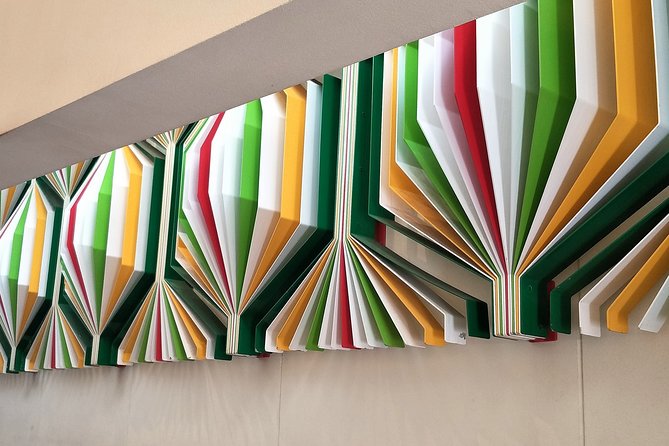
Wintergarden-style spaces are useful for a walking art tour because they’re designed for people. That means you can connect what you see—shapes, lines, built textures—to the experience of moving through the space. It also helps you notice how design can act like a quiet guide, directing attention and creating comfort even when you’re surrounded by skyscrapers.
You’ll also spend time learning the history behind buildings you can actually stand next to. The goal isn’t to overload you with facts. It’s to help you understand why certain commissions exist, why certain styles show up where they do, and how Brisbane’s modern identity formed in the CBD.
This is one of the tour’s strengths: you end up looking at the city like a designer, not like a tourist doing a checklist.
Hidden Street Art and Public Sculptures: How the Guide Teaches You to Look Up and Down
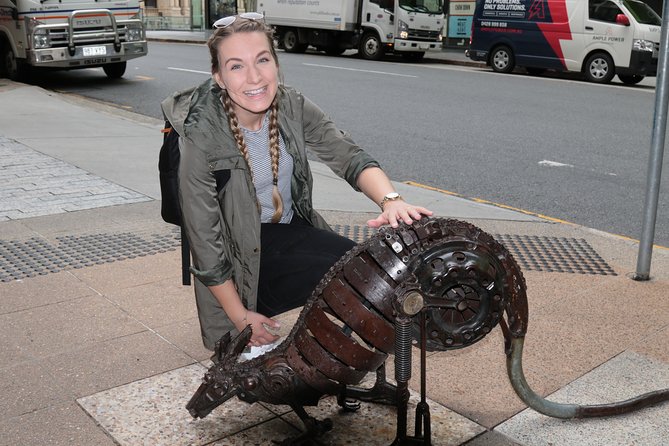
After you get your bearings, the tour leans into the less obvious side of Brisbane—street art and public sculptures. This is where the guide’s approach pays off, because street art can feel chaotic until you learn how to read it.
On this walk, you’re encouraged to change your scanning habits:
- look for artwork at street level and notice what it’s responding to
- look up at building surfaces, where design details often frame the art
- notice how public sculptures sit in relation to pedestrian flow
That “look up and down” method has been a standout takeaway in the feedback. The guide’s explanations help you understand that public art isn’t just decoration. It’s communication—sometimes political, sometimes personal, sometimes simply a creative interruption in the routine.
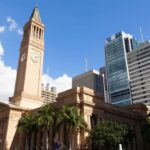
A particularly memorable part is the story behind a carving that took three years to create on a famous building. Even without turning it into a technical lecture, knowing the time and effort behind a work changes how you see it. Suddenly you’re not only looking at the finished design—you’re imagining the process.
One caution: if you go in expecting the tour to be purely street-art hunting, you may want to remember it’s balanced by architecture and public art in general. You’ll get hidden art, but you’ll also get the larger “why” behind Brisbane’s commissions.
Brush in one hand, wine in the other, more classes
- Mosaic Art Classes Brisbane: Turkish Lamp Workshop
★ 5.0 · 199 reviews - Paint and Sip Classes Brisbane: Ceramic Plates & Bowls
★ 5.0 · 38 reviews - Resin Art Classes Brisbane: Cheeseboards & Coasters
★ 5.0 · 25 reviews - Brisbane: Mosaic Art Classes – Turkish Lamp Workshop
★ 4.6 · 14 reviews - Brisbane: Resin Art Classes – Cheeseboards & Coasters
★ 4.7 · 12 reviews
The Queensland Art Gallery/GOMA Connection: Using the Afternoon Without Wasting Time
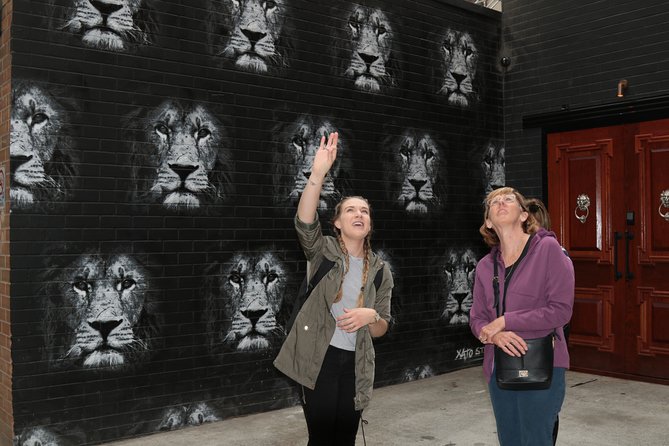
The tour concludes at the Queensland Gallery of Modern Art (GOMA) at Stanley Place in South Brisbane. From there, you get the afternoon to explore. This is a smart way to structure the day: you start with a guided “lens,” then you finish with freedom.
Even better, the tour experience includes advice for using the gallery time well. And importantly, entry to Queensland Art Gallery & GOMA is free at times, with Queensland Art Gallery and GOMA generally free to enter. There are times when paid exhibitions appear, so you may want to check what’s on when you arrive—especially if you’re traveling during a big special-show period.
Here’s how to make this finale work:
- arrive ready to browse, not to commit to one exhibition only
- use what the guide taught you about looking carefully to slow down in the galleries
- if you’re interested in contemporary art, prioritize GOMA first, then dip into the nearby Queensland Art Gallery
This ending also lets you control your pace. Not everyone wants to rush through a museum after walking for hours. With the tour finishing at GOMA, you can take breaks, sit with work you actually like, and come back for another look.
If you enjoy continuing the hunt for visual details after the tour, this is also the part where that habit clicks. You’ll start spotting themes and design choices that connect back to what you saw on the streets.
Walking Time, Shoes, and Water: What to Plan So the Tour Feels Easy
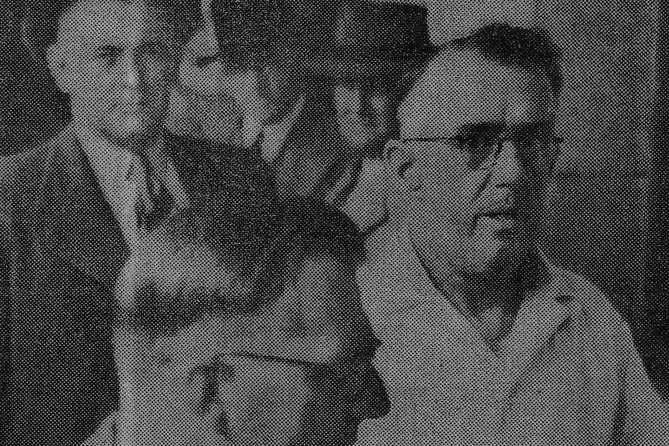
The walking is moderate and on flat, even city streets, about 2.5 km total. The total tour time is around three hours. That’s not a mountain hike, but it’s enough time to feel the sun and build up a little fatigue if you dress for comfort poorly.
Here’s what to bring, based on the tour guidance:
- camera (there’s a lot worth photographing, especially architectural details)
- drinking water
- comfortable walking shoes
- hat and sunglasses
- sunscreen is recommended
It’s also near public transportation, which helps if you want to build your own add-ons before or after.
If you’re deciding whether this is a good fit for your group, this tour is described as suitable for most travelers. Service animals are allowed, so the experience is set up to be practical for different needs.
Price and Value: Is $200.83 Worth It for a Private 3-Hour Art Walk?
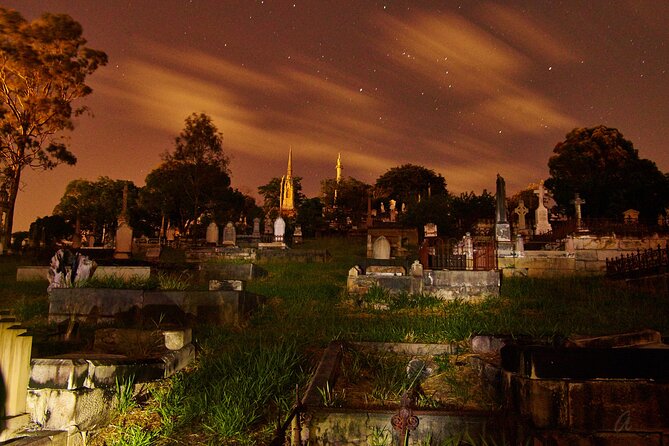
The price is listed as $200.83 per group (up to 1), which signals it’s designed as a private tour experience. That matters for value.
When you pay for a private walking tour, you’re buying three things:
- A guide who can focus attention on what you actually care about
- Flexibility to ask questions and slow down where something pulls your interest
- A route that stays coherent, so you don’t spend your time guessing which places are worth your attention
From the feedback, Lee-Anne is often praised for personalizing the experience based on what participants want to see, and for explaining art in a way that sticks. That kind of interpretation is hard to get from a self-guided walk, especially in a city where art is scattered across bridges, facades, and laneways.
A fair way to judge value: this is not a “see everything” sightseeing package. It’s a focused art-and-design route that also sets you up to explore GOMA afterward. If you like the idea of learning how to look—not just where to stand—then the price starts to feel more reasonable.
If you’re the type who prefers to wander freely without any guidance, you might find the cost harder to justify. But if you want someone to turn ordinary streets into meaningful art viewing, this format is the right one.
Who This Tour Fits Best (and Who Might Want Something Different)
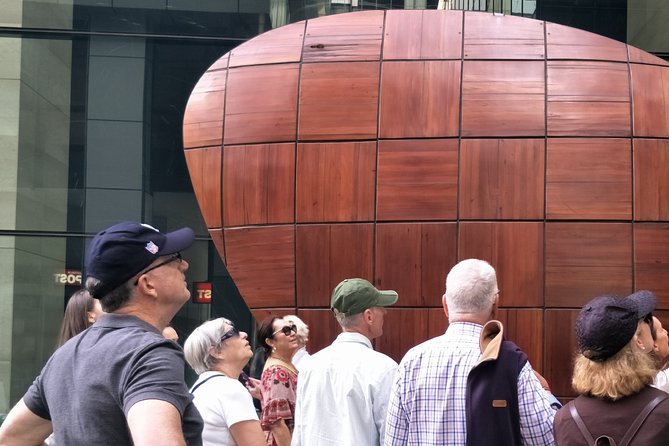
This walking tour is ideal if you:
- love architecture and want it explained in human terms
- enjoy street art but also want context
- like the idea of a short guided walk followed by independent time at GOMA
- want a guide to tailor the conversation to your interests
You might want to skip it if you:
- dislike walking for several hours, even at an easy city pace
- only care about one specific museum and would rather go straight inside
- prefer purely self-paced photography without guided interpretation
The sweet spot is the traveler who enjoys seeing a city through details—materials, public art placement, and how design shapes what you notice.
Should You Book This Brisbane Art and Design Walking Tour?
I think you should book it if you want your Brisbane day to feel like more than a grab-bag of landmarks. The strongest reason is the way the tour teaches you to look: at street level, up at buildings, and into the stories behind public commissions—especially the standout three-year carving story. Then it hands you off to GOMA, where you can keep going at your own pace.
Book it especially if you’re traveling with one person or want a truly private experience. At $200.83 per group (up to 1), you’re paying for attention and interpretation, not just movement through the CBD.
And if you’re on the fence because of the walking, don’t overthink it: it’s flat and about 2.5 km, but wear good shoes and bring water. Do that, and you’ll be set up for a morning that makes the rest of the day’s art choices easier.
If your goal is to leave Brisbane seeing more than you arrived with—this is a smart way to do it.
More Tour Reviews in Brisbane
- From Brisbane: Moreton Island Full-Day Trip★ 4.5 · 2,108 reviews
- From Brisbane: Australia Zoo Transfer and Entry Ticket★ 4.9 · 1,539 reviews
- Brisbane River Cruise with entry to Lone Pine Koala Sanctuary★ 4.5 · 1,522 reviews
- Brisbane River Cruise and Koala Sanctuary Visit★ 4.7 · 1,397 reviews
- Brisbane: Moreton Island Return Ferry & Adventure Day Pass★ 4.3 · 1,195 reviews
Paint, Sip, Repeat
- Mosaic Art Classes Brisbane: Turkish Lamp Workshop★ 5.0 · 199 reviews
- Paint and Sip Classes Brisbane: Ceramic Plates & Bowls★ 5.0 · 38 reviews
- Resin Art Classes Brisbane: Cheeseboards & Coasters★ 5.0 · 25 reviews
- Brisbane: Mosaic Art Classes – Turkish Lamp Workshop★ 4.6 · 14 reviews
- Brisbane: Resin Art Classes – Cheeseboards & Coasters★ 4.7 · 12 reviews
Brisbane on Foot
- Ultimate Brisbane Walking Tour (Small-Group, Drink Included)★ 5.0 · 195 reviews
- Brisbane City Essentials Walking Tour★ 5.0 · 118 reviews
- Best of Brisbane Walking Tour: local guide, snack, small group★ 5.0 · 91 reviews
- Best of Brisbane Walking Tour | Small Group & snack★ 4.9 · 70 reviews
- Brisbane: Small-Group 3-Hour Walking Tour with a Drink★ 4.9 · 48 reviews
Just Added to the River City Desk

Brisbane City Walking Tours, compared.
 ★ 5.0Ultimate Brisbane Walking Tour (Small-Group, Drink Included)From $53195 reviews
 ★ 5.0Brisbane City Essentials Walking TourFrom $189118 reviews
 ★ 5.0Best of Brisbane Walking Tour: local guide, snack, small groupFrom $6391 reviews
 ★ 4.9Best of Brisbane Walking Tour | Small Group & snackFrom $6370 reviews
 ★ 4.9Small-Group 3-Hour Walking Tour with a DrinkFrom $5348 reviews
 ★ 5.0Brisbane City Walking Tour: local guide, small group, 100 minsFrom $3938 reviews
 ★ 5.0Brisbane City Walking Tour | Small group | 100 minutesFrom $3836 reviews
 ★ 5.0Donuts and Discovery Walking TourFrom $6910 reviews
Browse the lists this tour appears in