
Reviewed · SUNSHINE COAST, NOOSA & GLASS HOUSE MOUNTAINS
Sunshine Coast: Scuba Dive the Ex-HMAS Brisbane Ship Wreck
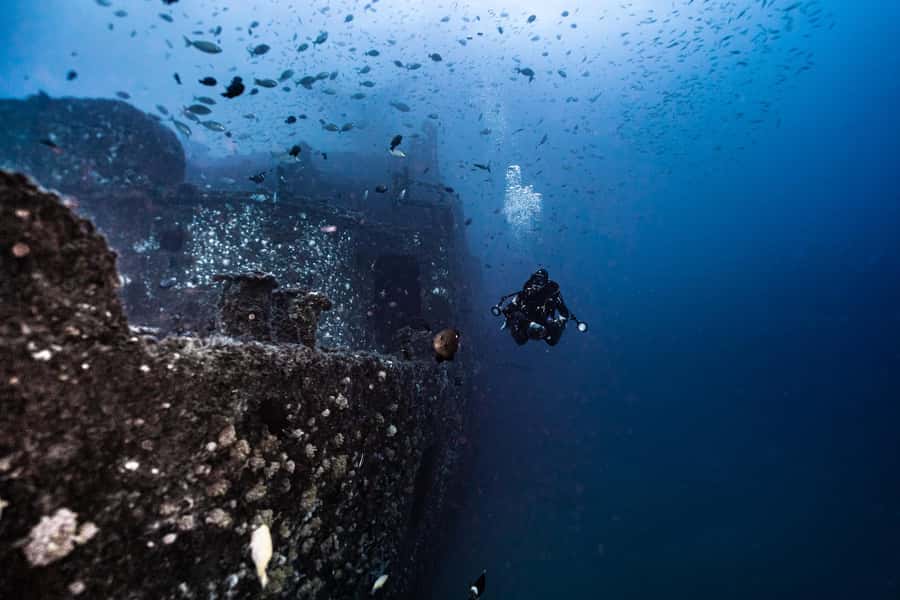
A shipwreck with turrets and turtles—what’s not to love? I like the Ex-HMAS Brisbane’s size and how you can spot eagle rays cruising around the hull. The main heads-up is the water can run seriously cold, even with a 5mm suit.
This is a proper wreck day, starting at Sunreef Mooloolaba and heading out about 2.9 nautical miles offshore. You use two midship moorings for an un-rushed route around the ship, including optional time in the engine room and control spaces—just plan on bringing the right torch and warmth.
In This Review
- Key Things That Make This Wreck Trip Worth Your Time
- Why the Ex-HMAS Brisbane Wreck Trip Feels Different From a Normal Reef Day
- Mooloolaba Start: The Easy Part Before the Water Temps Hit
- Conditions You Can Count On: Visibility, Swell, and the Real Temperature Range
- The Route Around the Ship: Outside Hull First, Then the Full Layout
- What You’ll See: Turtles, Rays, Grouper, Coral, and the Small Hiding Places
- Inside the Engine Room and Control Space: The Torch Requirement and Why It’s a Big Deal
- Cold-Water Reality Check: What to Wear (and What to Avoid) for Comfort
- Equipment, Cameras, and the Small Choices That Affect Your Photos
- Price and Value: Is $133 a Fair Deal for a Full Wreck Experience?
- Who This Wreck Trip Fits Best (And Who Should Skip It)
- Should You Book the Ex-HMAS Brisbane Wreck Trip?
- FAQ
- How long is the Ex-HMAS Brisbane wreck trip?
- Where does the trip start?
- How far offshore is the Ex-HMAS Brisbane wreck?
- What certification do I need?
- Do I need scuba equipment?
- Is a torch required for the engine room and control room?
- What is the water temperature and visibility like?
- What wildlife can I expect to see?
- Is the trip suitable if I’m pregnant?
- What should I bring?
Key Things That Make This Wreck Trip Worth Your Time
- The Ex-HMAS Brisbane is a large, upright wreck with forward decks around 15m and the stern around 18m
- Two midship moorings mean a full-ship route across two relaxed underwater sessions
- Good conditions on most days: visibility averages about 15m (often 20m+) with minimal swell
- You can see inside parts like the engine room and control spaces, if you have the torch required for those areas
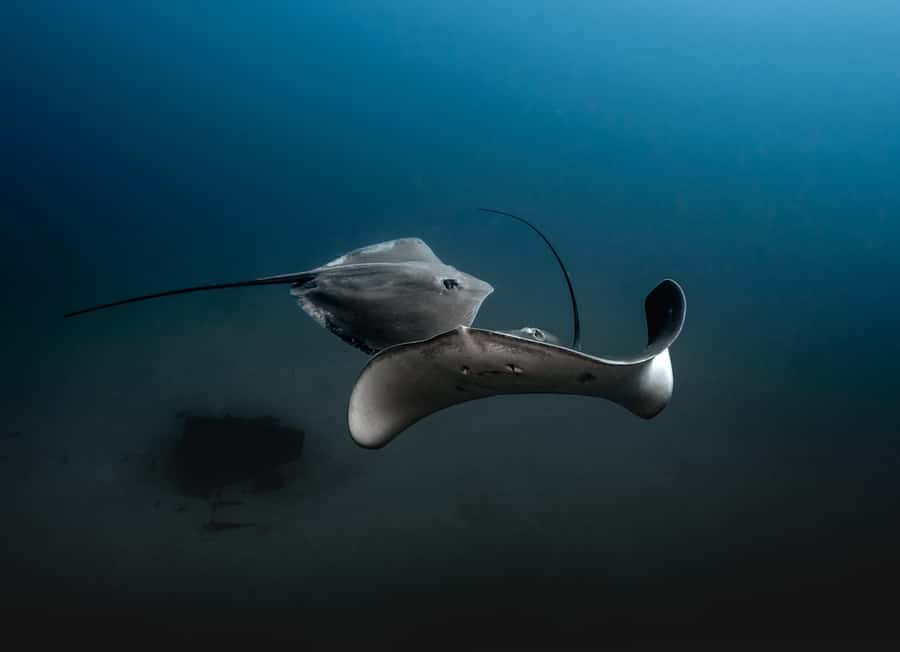
- Marine life is part of the show, including turtles, eagle rays, bull rays, grouper, and schools of juvenile fish
- Cold-water planning is not optional, since temps run roughly 17°C in winter to 27°C in summer
North to Noosa and the Glass House peaks, more day trips
Why the Ex-HMAS Brisbane Wreck Trip Feels Different From a Normal Reef Day
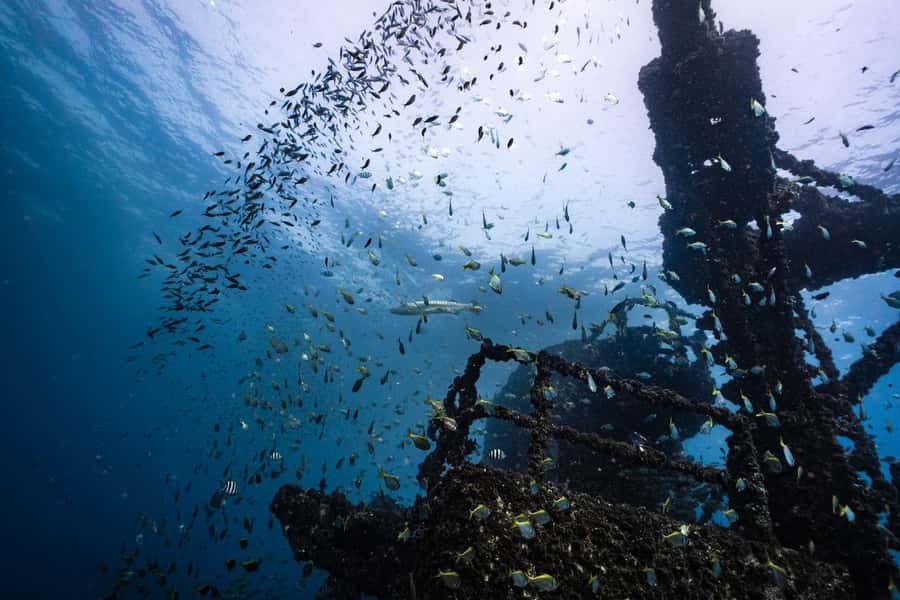
The Ex-HMAS Brisbane isn’t just a “pretty wreck.” It’s a decommissioned guided missile destroyer that’s now doing a second job—supporting marine life as an artificial reef. And because it sits upright, you get to experience the ship’s shape, layout, and scale instead of just seeing scattered metal.
I love how this trip mixes big-picture wreck wow with the small stuff you’d normally miss. You’re not only looking at the hull. You’re also hunting for animals that have made this place home—like turtles settling in, and rays moving through the structure like it’s their own highway system.
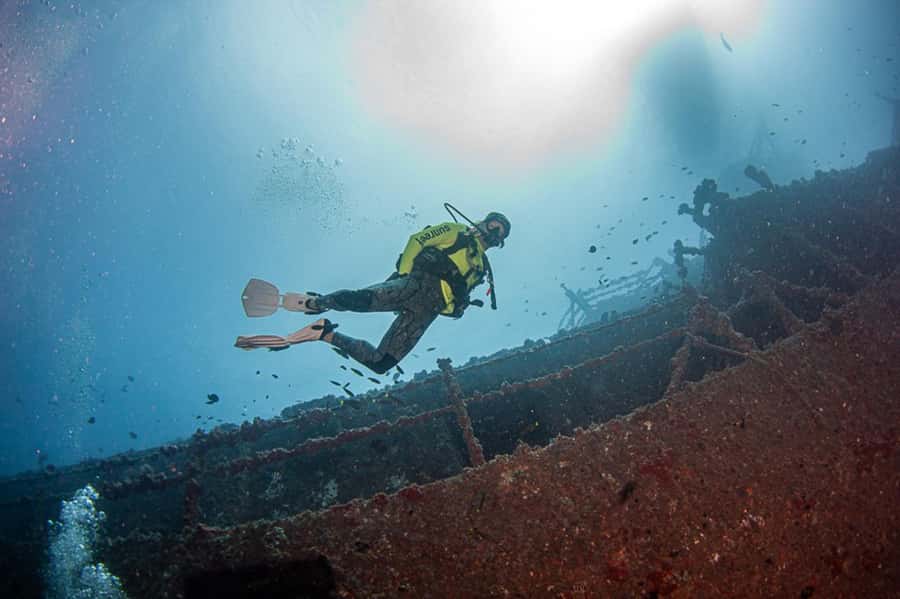
One practical note: this is a serious underwater activity, not a casual snorkel stop. You must be currently certified, and you’ll be expected to follow safe-penetration rules if you want to go inside enclosed spaces.
Mooloolaba Start: The Easy Part Before the Water Temps Hit
You start at Sunreef Mooloolaba, then you do a short safety briefing (about 15 minutes). After that, you head out by boat for roughly 30 minutes. That timing matters because you’re not fighting an all-day commute before you even get wet.
You’ll cruise out to the wreck site, sitting around 2.9 nautical miles offshore. That distance is long enough to make it feel like an actual excursion, but short enough that you’re not spending hours bouncing in open water.
Back on the return, there’s another boat cruise of about 30 minutes. The whole schedule runs around 5 hours, which is a nice sweet spot: long enough to cover the wreck properly, short enough to still enjoy Mooloolaba afterward.
Conditions You Can Count On: Visibility, Swell, and the Real Temperature Range
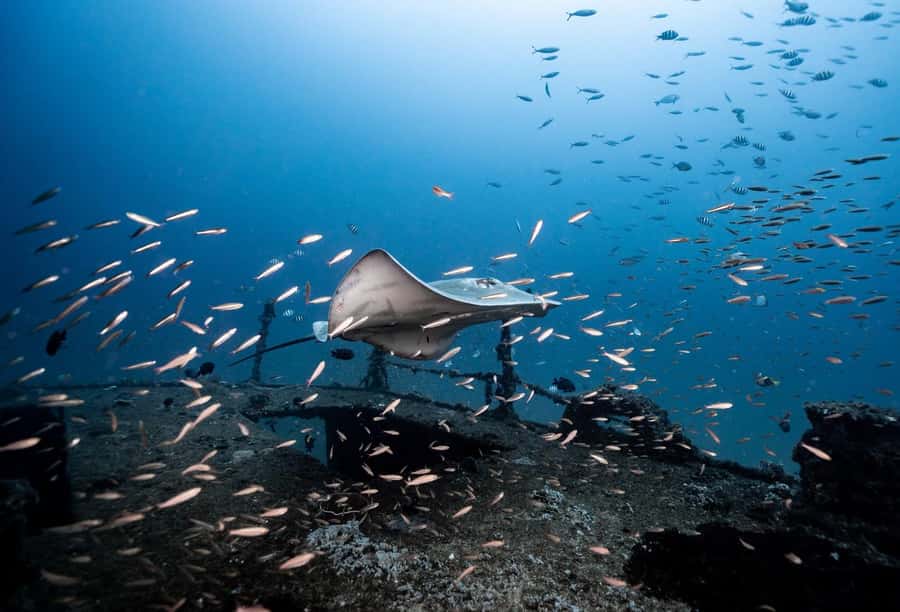
Most days here are set up for comfortable visibility. Visibility averages around 15 meters, and 20 meters or more isn’t uncommon. When visibility is that decent, you can actually read the wreck—walk your eyes along the railings, spot animals around openings, and see the coral growth building over time.
Swell is also generally minimal, which helps with comfort and control underwater. If you’re the kind of diver who gets annoyed by a bouncy boat and floating debris, this matters. Less movement makes it easier to slow down and really look.
Now for the part you should plan around: temperature. You’re dealing with about 17°C in winter up to 27°C in summer. One recent experience highlighted how quickly you can get cold even in a 5mm suit. Another experience (at a warmer-sounding 22°C) still involved people feeling chilly and dealing with gear comfort issues.
If you tend to run cold, I’d treat this trip as a cold-water day until proven otherwise.
The Route Around the Ship: Outside Hull First, Then the Full Layout
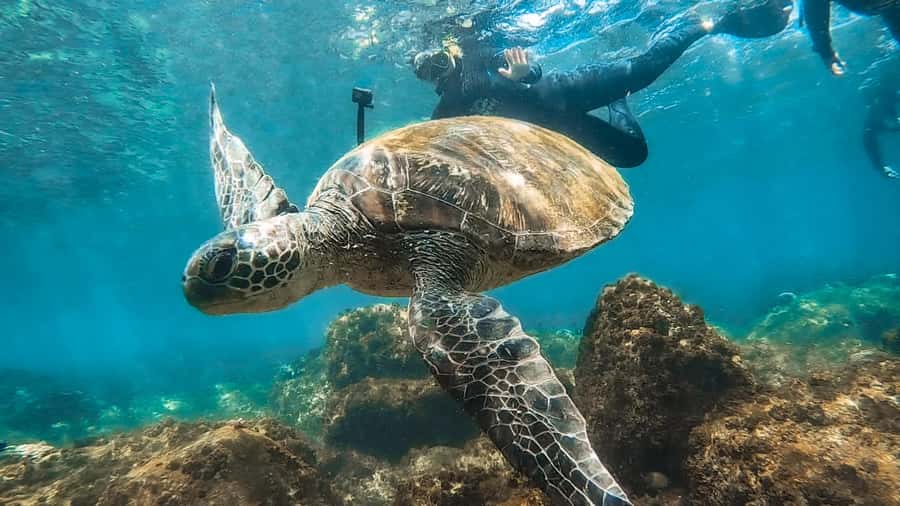
Sunreef uses two midship moorings, which is a smart setup. It lets the crew keep things controlled and lets you cover more of the wreck without rushing. It also supports two leisurely underwater sessions so you can move through the ship in a logical way.
The Ex-HMAS Brisbane sits with a good depth range over different parts. You’ve got about 15 meters of water over the forward decks, and about 18 meters over the stern. That means you can expect a meaningful descent, but not an extreme one. It also helps explain why the day feels structured rather than random.
Outside, the ship’s size does a lot of the work for you. You’ll be able to cruise around and take in the sheer scale—this isn’t a small piece of metal. It’s a full destroyer footprint, so you get angles, structure, and repetition of features that make navigation easier for experienced participants and more confidence-building for those who are still building range.
And while you’re outside, you’re also constantly scanning for wildlife. This wreck doesn’t feel empty. It feels active.
More dives worth the air
- Moreton Island Day-Trip to Scuba Dive and More
★ 4.1 · 59 reviews
What You’ll See: Turtles, Rays, Grouper, Coral, and the Small Hiding Places
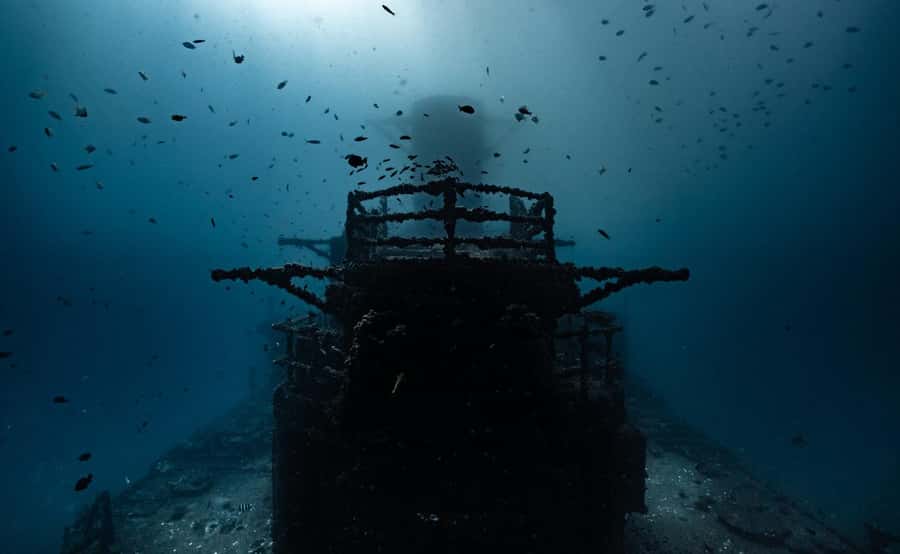
This is one of those sites where you can show up with a wish list, but the real experience is that the animals keep surprising you.
Here are some of the standout marine-life encounters people look for on this wreck:
- Turtles (including a turtle taking residency on the aft funnel)
- Eagle rays cruising between funnel areas
- Bull and eagle rays and other rays moving across open sections
- Schools and clusters of juvenile fish, including red emperor and snapper
- Yellow-tailed kingfish buzzing around bait fish schools
- Up to around 10 giant Queensland grouper spotted off the bow in one go
- An octopus that made a home in a pyrotechnic tube on the deck
- Soft corals everywhere, with hard corals steadily establishing
You also tend to find creatures that reward patience. Blennies, nudibranchs, sea hares, squid, angler fish, lionfish, and other smaller reef dwellers show up when you slow your pace and keep your buoyancy steady.
Coral growth is a big part of why the wreck feels alive rather than just historical. Soft corals and newer hard-coral growth help break up the hard lines of the ship, so your view changes as you move from section to section.
Inside the Engine Room and Control Space: The Torch Requirement and Why It’s a Big Deal
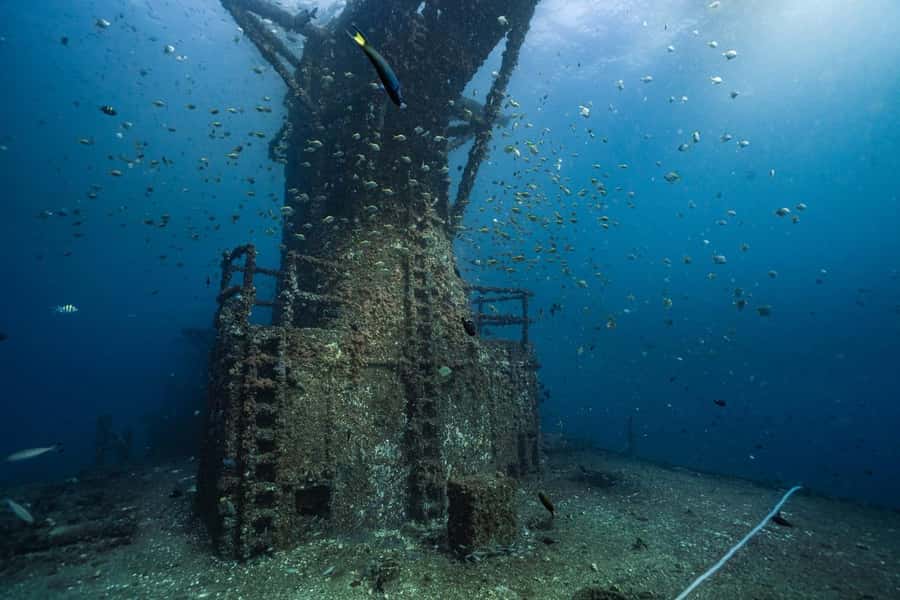
Going inside parts of a wreck changes everything. Outside, you watch animals use open structure. Inside, you see how the ship’s design creates shaded corridors and pockets where marine life can shelter and feed.
This trip can include visits to the engine room and the control room. The control room is a particularly interesting stop because her kill switches are still intact. That’s the kind of detail that turns a wreck into a story you can physically trace with your eyes.
However, inside-structure visits are not something to improvise. A diving torch is required for penetration-style access. If you don’t have one, the torch can be provided at an extra charge if needed.
Also: plan your comfort before you go inside. One experience described cold discomfort even in 5mm, with shivering after the water. Hot soup right after getting out of the water helped warm things up fast. That matters more than it sounds, especially after time in enclosed spaces where you might cool down.
Cold-Water Reality Check: What to Wear (and What to Avoid) for Comfort
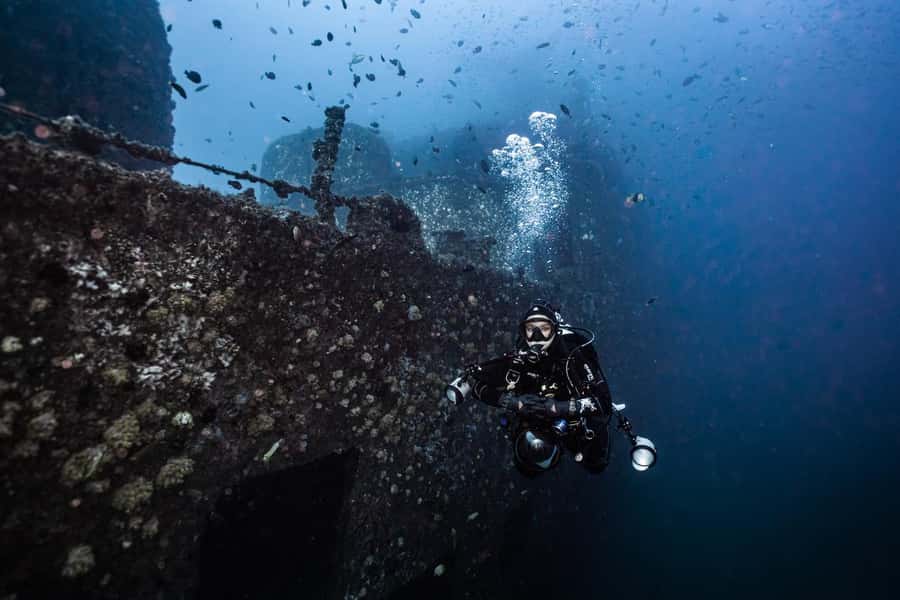
Let’s be honest: cold is the number-one thing that can turn a great wreck day into a miserable one.
Water temps swing from winter lows near 17°C up toward summer highs near 27°C. Even at 22°C, one experience described gear feeling inadequate with a 5mm suit, open fins, and no proper warm accessories—leading to shivering and even blisters or skin injuries.
Here’s the practical angle. Don’t just think about neoprene thickness. Think about seals and exposed skin:
- If your 5mm setup leaves ankles or hands feeling too exposed, you’ll feel it over a 3-hour underwater window.
- If you use open fins that rub, bring the right protection or consider switching fin setup (where allowed).
- If you tend to get cold fast, you might want additional insulation like a hood and gloves, even if it feels like overkill in summer.
Even the good news—hot soup after—doesn’t replace comfort underwater. Warming up on the boat is helpful, but you’ll still remember how you felt during the slow parts of the wreck route.
Equipment, Cameras, and the Small Choices That Affect Your Photos
Scuba gear isn’t included in the base price. You can hire equipment for an additional cost on the day, and it’s described as being in excellent condition. Cameras can also be hired extra if you want to capture the hull texture, coral growth, and the bigger animals that cruise past.
If you’re bringing your own camera, plan for visibility and lighting. With typical visibility around 15m and sometimes better, you can get solid shots—but inside-structure lighting without a torch can be a pain. If your camera depends on steady light, bring a setup you know works.
Also, you’ll do this trip with your certification rules in mind. You need to have current scuba certification, or at least Open Water, and have been scuba active within the past two years. Bring your certification card (physical or digital) and be ready to sign a participant statement.
Price and Value: Is $133 a Fair Deal for a Full Wreck Experience?
At $133 per person for around 5 hours, this feels like good value if you want a standout wreck and the logistics are handled for you. The price includes:
- return boat trip
- light snacks
- marine park permits
- qualified PADI instructors to guide you
What’s not included matters:
- scuba equipment
- underwater camera (if you want one)
- hotel pickups
So your real cost depends on whether you already own your kit and whether you want rentals. If you’re already fully geared for wreck conditions and you don’t need camera gear, you’re basically paying for the boat, permits, and instructors—pretty reasonable for a world-class wreck site.
If you’re missing a torch for penetration-style access, factor in the extra charge for that too. And for comfort, remember that what makes this trip great is also what can make it cold: long enough underwater time to explore, plus inside options.
Who This Wreck Trip Fits Best (And Who Should Skip It)
This is best for people who already have solid scuba comfort and want a true wreck experience. You’ll also get more out of it if you like structure viewing—following lines, finding animals around features, and spending time with buoyancy steady enough to watch coral and small critters.
From the site’s typical participant range, it also suits people from Open Water level up through experienced staff and even instructors who understand how to handle wreck environments carefully.
It’s not for everyone. Pregnant women are not allowed to participate. And if you don’t have the required current certification, you can’t join.
If you’re sensitive to cold water and you don’t have a warm setup, consider whether this is the day you want to test your limits. This is exactly the sort of trip where comfort gear can make or break the experience.
Should You Book the Ex-HMAS Brisbane Wreck Trip?
If your goal is a serious wreck with clear visibility, minimal swell, and real marine-life action, this is an easy yes for the right scuba-certified person. The structure is impressive, the animal encounters are the kind you remember, and the mooring setup helps you see the whole ship without rushing.
But book it with your cold-water plan in place. If you’re prone to shivering, add insulation beyond a basic 5mm approach. Make sure you have a proper plan for torch use if you want inside access. And if you’re unsure about your fin comfort, sort that before you show up.
Do that, and you’ll get exactly what this wreck is known for: a world-class artificial reef where the ship and the wildlife feel like one system.
FAQ
How long is the Ex-HMAS Brisbane wreck trip?
The total experience is about 5 hours.
Where does the trip start?
It starts at Sunreef Mooloolaba.
How far offshore is the Ex-HMAS Brisbane wreck?
The wreck is about 2.9 nautical miles offshore.
What certification do I need?
All participants must hold current scuba diver certification or at least Open Water, and you need to have been scuba diving within the past two years.
Do I need scuba equipment?
Scuba dive equipment is not included in the price, but equipment hire is available for an extra charge on the day.
Is a torch required for the engine room and control room?
A diving torch is required for penetration-style (inside-structure) visits. If you need one, there’s an extra charge if needed.
What is the water temperature and visibility like?
Water temperatures range from about 17°C in winter to about 27°C in summer. Visibility averages around 15 meters, with up to 20 meters or more not uncommon.
What wildlife can I expect to see?
You can expect a variety of local sea life, including turtles, eagle rays, bull and eagle rays, juvenile red emperor and snapper, and larger animals like Queensland grouper, along with many smaller reef critters and coral growth.
Is the trip suitable if I’m pregnant?
No. Pregnant women are not allowed to participate.
What should I bring?
Bring swimwear, a towel, biodegradable sunscreen, your scuba certification card (physical or digital), and your logbook.
More Scuba Diving in Brisbane
- Moreton Island Day-Trip to Scuba Dive and More★ 4.1 · 59 reviews
More Tour Reviews in Brisbane
- From Brisbane: Moreton Island Full-Day Trip★ 4.5 · 2,108 reviews
- From Brisbane: Australia Zoo Transfer and Entry Ticket★ 4.9 · 1,539 reviews
- Brisbane River Cruise with entry to Lone Pine Koala Sanctuary★ 4.5 · 1,522 reviews
- Brisbane River Cruise and Koala Sanctuary Visit★ 4.7 · 1,397 reviews
- Brisbane: Moreton Island Return Ferry & Adventure Day Pass★ 4.3 · 1,195 reviews
North to Noosa and the Coast
- Brisbane Airport: Shared Transfer to Sunshine Coast★ 4.5 · 311 reviews
- Brisbane: Sunshine Coast Hinterland & Noosa Scenic Tour★ 4.5 · 223 reviews
- Sunshine Coast Hinterland and Noosa Day Trip from Brisbane Incl Eumundi Markets★ 4.5 · 189 reviews
- From Brisbane: Bribie Island Day Trip★ 4.8 · 19 reviews
- Glass House Mountains, Maleny and Montville Tour from Brisbane★ 5.0 · 7 reviews
Just Added to the River City Desk



Sunshine Coast, Noosa & Glass House Mountains, compared.
 ★ 5.0Brisbane Whale Watching Cruise from Redcliffe or Sunshine CoastFrom $114997 reviews
 ★ 4.5Brisbane Airport: Shared Transfer to Sunshine CoastFrom $63311 reviews
 ★ 4.5Sunshine Coast Hinterland & Noosa Scenic TourFrom $119223 reviews
 ★ 4.5Sunshine Coast Hinterland and Noosa Day Trip from Brisbane Incl Eumundi MarketsFrom $121189 reviews
 ★ 4.8Bribie Island Day TripFrom $16419 reviews
 ★ 5.0Glass House Mountains, Maleny and Montville Tour from BrisbaneFrom $1327 reviews
 ★ 5.0Private Transfer from Brisbane Airport to Noosa for 1 to 3 peopleFrom $2945 reviews
 ★ 5.0Glass House Mountains Abseiling ExperienceFrom $1185 reviews
Browse the lists this tour appears in